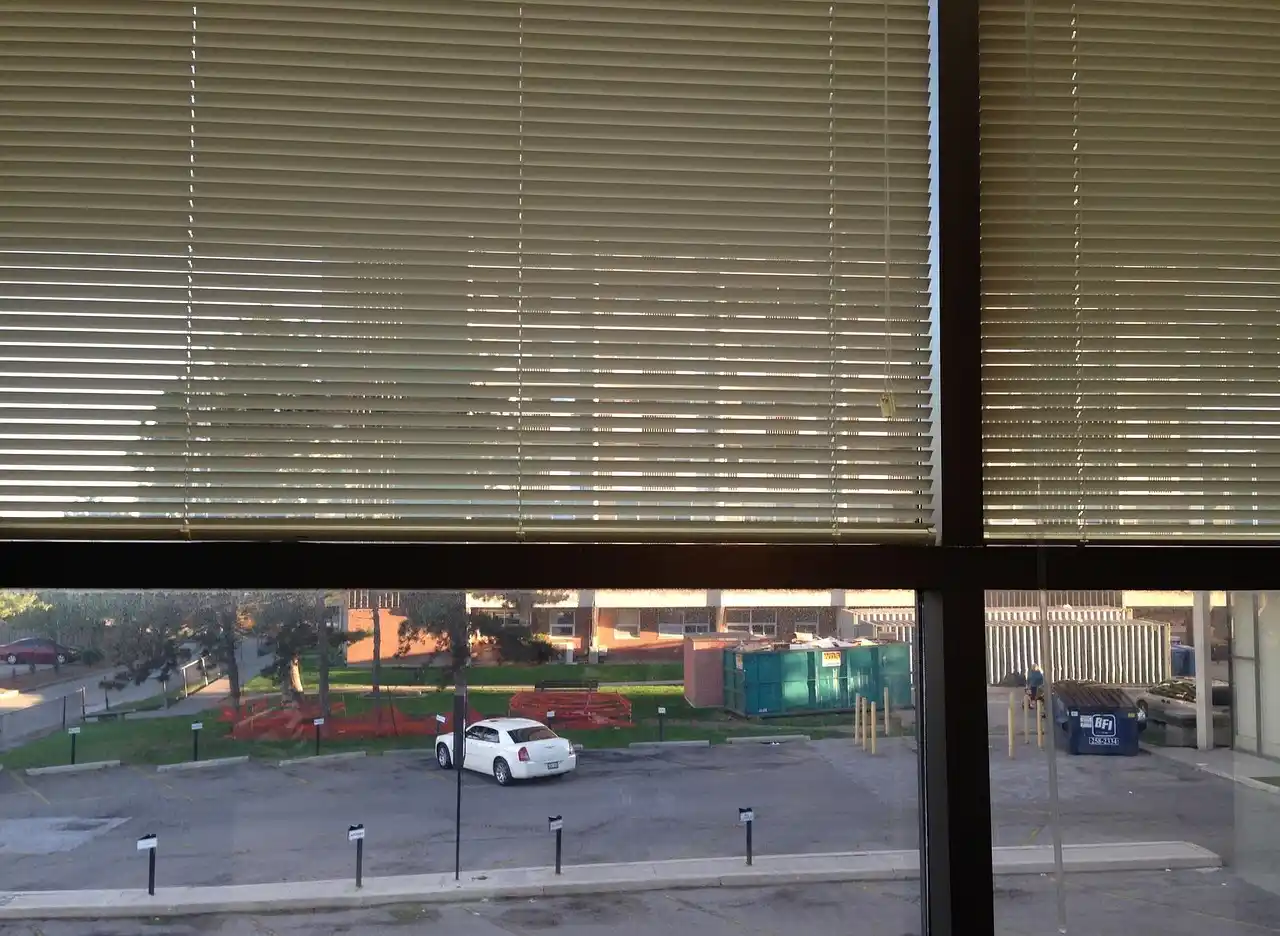
What is home window tinting
Home window tinting refers to the application of a thin film to the interior surface of glass windows. This film, made from various materials, reduces heat transfer, blocks UV rays, cuts glare, and enhances privacy. Professional installation ensures a seamless finish, long-lasting performance, and the right film choice for your climate and needs. As an experienced guide, this article lays out the options, costs, and steps to achieve comfortable, energy-efficient living spaces.
Benefits of home window tinting
Tinting provides multiple, compounding benefits. Energy savings come from reduced heat gain in summer and improved insulation in winter. UV protection helps prevent fading of furniture and artwork. Lower glare improves television and computer screen comfort, while privacy can be enhanced without sacrificing natural light. Some films also add a degree of safety by holding shattering glass together in case of impact. For homeowners, these advantages translate into more comfortable rooms and reduced utility bills over time.
Types of window film
Window films come in several formulations. The right choice depends on climate, home orientation, budget, and aesthetic goals. The most common categories are:
| Film Type | Heat Rejection | UV Block | Glare Reduction | Privacy | Approximate Cost | Notes |
|---|---|---|---|---|---|---|
| Dyed | Moderate | High | Moderate | Good | Low to Medium | Affordable option; may fade over time in strong sun. |
| Metalized | High | High | High | Variable | Medium | Can reflect heat; may interfere with signals; look for low-emissivity options. |
| Ceramic | Very High | Very High | High | Good | High | Best overall performance; non-reflective and durable. |
| Nano-Ceramic | Very High | Very High | High | Good | High | Premium option with excellent clarity and heat rejection. |
When evaluating films, consider heat rejection percentage, UV blocking, and whether the film maintains clarity and color. For homes with smart devices or gateways, ceramic and nano-ceramic films typically offer the best balance of performance and signal compatibility.
Choosing the right film for your home
To pick the right film, assess your climate, the orientation of windows, and the level of privacy you desire. If your rooms receive intense sun in the afternoon, a high heat-rejection ceramic film can dramatically lower cooling loads. For homes with sensitive furnishings, prioritize UV protection to minimize fading. If you want a quick, budget-friendly update, dyed films may be a suitable start, but remember they may fade in the long run. Always request a sample and check the warranty and indicators of genuine certification from the manufacturer.
DIY vs professional installation
Professional installation is typically recommended for best results. Experienced installers ensure precise edge finishing, bubble-free application, and uniform tint density. DIY kits exist, but corners and irregular frames can cause wrinkling or peeling later. When you hire a pro, verify licensing, warranty terms, and whether the film is NFRC-certified for your area. Ask about removal and reapplication policies before committing.
Costs and return on investment
Costs vary by film type, window size, and labor. A typical professional installation ranges from a few dollars to around 15 per square foot, depending on the film and project scope. In exchange, homeowners can expect energy savings, reduced glare, and extended interior life for furnishings. A well-chosen film can deliver a quick payback in hot climates and contribute to year-round comfort in mixed climates. When calculating ROI, include potential increases in HVAC efficiency, improved daylighting, and the value of protecting interior furnishings from fading.
Maintenance and care
Clean films with a soft cloth and a mild soap solution. Avoid abrasive cleaners or rough scrubbing that can scratch the film. Do not apply ammonia-based cleaners, as they may degrade the coating. Regular inspections help spot edge lifting or bubbling early, allowing timely repairs under warranty. If you remodel or replace windows, coordinate the tinting schedule with your installer to maintain warranty coverage.
Myths and FAQs
Common questions include whether tinting darkens rooms excessively, if it reduces natural light, and whether it affects windows' safety features. In most cases, high-quality films preserve natural light while reducing glare. Modern films also maintain a clear view from the inside to the outside during daytime, with only minor reflection on the exterior. Always confirm UV rejection and warranty details with the installer before purchase.
Conclusion
Conclusion, home window tinting offers a practical path to improved comfort, energy efficiency, and protection for interior furnishings. By understanding film types, weighing climate and privacy needs, and choosing a reputable installer, you can achieve lasting results. A thoughtful selection process and professional installation maximize EEAT factors and deliver a reliable, aesthetically pleasing upgrade for any home.